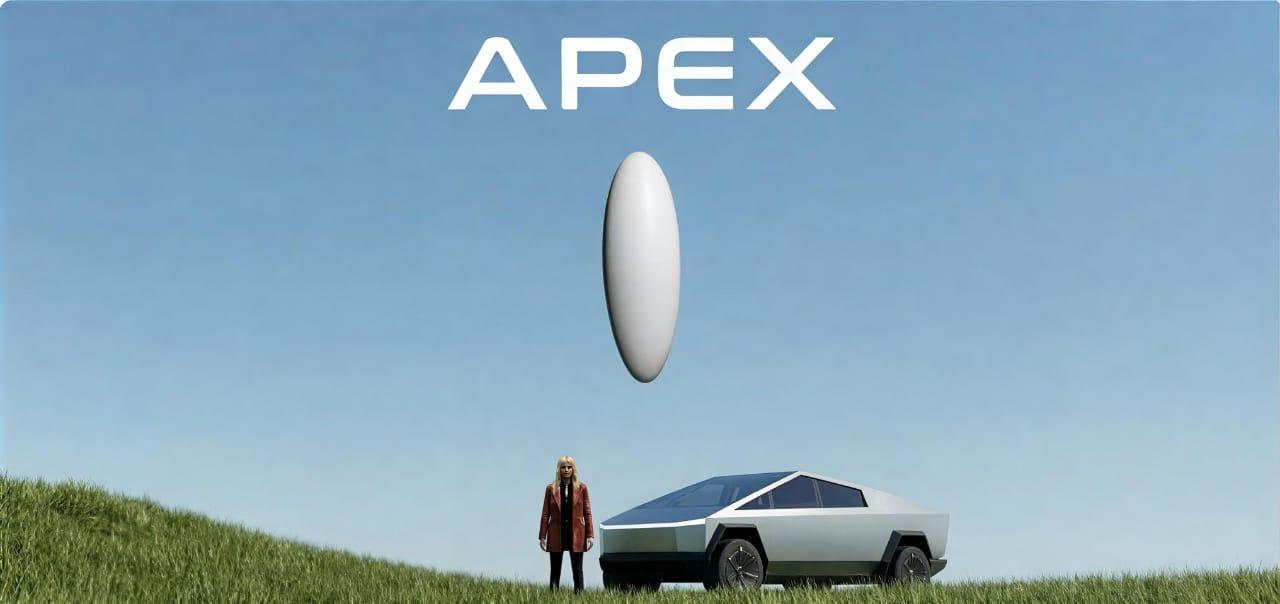
The Dor Brothers released Apex with a simple provocation
What if a 200 million dollar film no longer required 200 million dollars?
The response was immediate.
Within hours, clips were circulating across X, Instagram, LinkedIn, and YouTube. Millions of impressions. Reposts. Frame breakdowns. Reaction threads. People were not just watching it. They were dissecting it.
The headline sparked curiosity, but what held attention was scale. The environments felt expansive. The pacing felt intentional. The world felt bigger than the runtime.
Instead of debating whether it matched a traditional blockbuster shot for shot, the conversation shifted to possibility. How close are we to full length AI cinema. How fast are these systems compounding. What happens when this level of visual density becomes routine.
The story was not about a single frame. It was about trajectory.
The 200M framing triggered debate too. Some took it literally. Others understood it as commentary on production economics. Either way, the underlying message landed. The gap between cinematic scale and independent execution is compressing.
But what also help drive engagement was the nuance.
The Tesla.
The characters.
The revving sound.
People zoomed in. Hard.
Was the engine note accurate.
Did the reflections on the body track correctly.
Did the characters feel grounded in the world.
Did the physics hold up under scrutiny.
Threads broke down specific frames. Sound design was debated. Surface reflections were compared. Motion was analyzed. Some praised the ambition. Some questioned realism. Some argued about micro details most casual viewers would never notice.
That was the best outcome we could ask for.
When the internet argues about reflections and engine audio, it is no longer debating whether AI belongs in film. It is debating craft. And craft is where real adoption happens.
The friction amplified reach.
The reach deepened the discussion.
The discussion extended the lifespan of the piece.
What Apex demonstrated was not that Hollywood disappears tomorrow. It demonstrated that production gravity is changing.
Traditional filmmaking optimizes around capital, crew size, and coordination.
AI filmmaking optimizes around taste, iteration speed, and system design.
The constraint shifts from money to judgment.
A small, aligned team with strong creative direction and technical orchestration can now simulate production scale that previously required infrastructure and institutional backing. That does not mean everyone wins. It means the leverage moves.
Internally, Apex was structured experimentation. They stress test velocity against coherence. They pushed aesthetic ambition while compressing timelines. Generative systems are treated like cameras that hallucinate worlds. The breakthrough is not rendering. The breakthrough is control.
If you can direct generative systems with the same intentionality a cinematographer directs light, you unlock scale without proportionate cost.
The internet sensed that shift immediately. That is why the reaction was so strong. Not because the video was perfect. Not because it was controversial. But because it felt like a signal.
Apex was not an endpoint. It was a marker.
Production economics are changing.
Creative leverage is compounding.
And the conversation has moved from “Is this possible?” to “How fast does this evolve?”
That is the real headline.